Advertisement
Inventory turnover is a metric used to determine how efficiently an organization uses its stock to generate revenue. It’s worth noting that different industries have benchmarks for the optimal inventory turnover rate - some require more inventory to make sales, while others are more efficient with their stock levels.
Understanding which industries have the highest inventory turnover can help you assess your current performance and make smart decisions about managing your organization's goods and services. In this blog post, we’ll look at which industries tend to boast the highest rates of Inventory Turnover as well as strategies for improving or maintaining turnover within those sectors. Keep reading if you want to learn more!
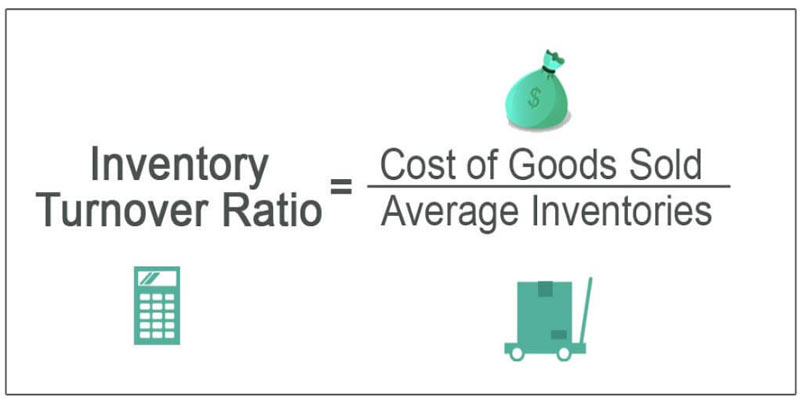
Inventory turnover is an important metric for any organization, and it’s essential to understand how to calculate it to assess the efficiency with which your business is using its stock. Inventory turnover measures how quickly a company can turn over its inventory in terms of sales. It's calculated by dividing the cost of goods sold (COGS) by the average inventory for a given period. The higher the number, the better the rate of inventory turnover.
When calculating inventory turnover, it’s important to know which industries have higher rates than others. Generally, high-turnover industries include retail and wholesale companies that can quickly move their products off shelves and into customer's hands, usually due to high demand levels or quick product cycles. On the other hand, industries with slow inventory turnover, such as the automotive industry, include those requiring more time and resources to manufacture products before they can be sold.
When assessing your company’s performance, it's important to use industry benchmarks to set goals for improvement. While there are no “perfect” inventory turnover rates, understanding the industry standard can help you determine what's feasible for your organization. Additionally, it’s important to consider other factors that may influence inventory turnover, such as pricing strategies, customer demand, and lead times.
Electronics and appliances are high-turnover industries, often driven by consumer demand. Products in this sector have relatively short product cycles, and customers tend to upgrade their electronics quickly.
This results in a higher inventory turnover rate as old products leave the shelves faster than they can be replaced. Companies in this industry should pay close attention to market trends to ensure their inventory is current with consumer preferences and demand.
The fashion industry is another sector characterized by high inventory turnover rates due to frequent product cycles and seasonal trends. Companies in this space must stay ahead of the curve regarding customer demand and preferences, as new trends can quickly make products obsolete.
Additionally, companies in the fashion industry should pay attention to lead times and production cycles to ensure stock is available when customers want it.
Restaurants and food services represent a lucrative industry with high inventory turnover rates due to the quick turnover of goods. These businesses require constant access to fresh ingredients and kitchen supplies so their kitchens can prepare meals quickly for hungry customers.
Companies in this sector should optimize ordering processes, forecast customer demand, and manage supplier relationships to maintain an efficient inventory system.
The pharmaceutical industry is one of the highest-turnover industries due to the need for medications within hospitals, clinics, and pharmacies. Medical supplies have a short shelf life and require efficient ordering and fast delivery to ensure customers can access the necessary products.
Companies in this space should pay close attention to inventory management systems that enable accurate forecasting, prompt replenishment, and rapid stock delivery.
The automotive industry is one of the lowest-turnover industries due to the length and complexity of the production process. Car manufacturers have longer lead times, more involved product cycles, and larger customer order sizes than other industries, resulting in a lower inventory turnover rate. Companies should improve supply chain management processes to reduce production costs and maximize customer satisfaction.
is among the highest-turnover industries due to quick product cycles, frequent customer orders, and short lead times. This sector relies heavily on accurate forecasting and efficient inventory management to stay ahead of customer needs. Companies should pay attention to supply chain processes to ensure that stock is available when customers want it and monitor market trends for new products and upgrades.
A moderate inventory turnover rate characterizes the book industry because books have longer product cycles than other products. Customers may take time to decide which books they want and order them at their leisure, resulting in slower sales. Companies should focus on optimizing ordering processes and tracking customer preferences to ensure stock levels are up-to-date with consumer demand.
Furniture is another industry with a moderate inventory turnover rate due to the long product cycles and relatively low customer demand. Customers often need more time researching furniture purchases before deciding, resulting in slower sales. Companies should consider pricing strategies, market trends, and consumer preferences to maximize profit and reduce stock buildup.

The jewelry industry is characterized by a lower inventory turnover rate due to the luxury nature of the products and the slow product cycles. Customers often need more time to consider purchases, resulting in slower sales. Companies should optimize their stock levels according to customer demand and leverage pricing strategies and promotions to increase sales.
Understanding which industries have the highest inventory turnover can help you assess your current performance and make smart decisions about managing your organization's goods and services. By evaluating trends in the market, researching customer preferences, and optimizing inventory management processes, businesses can ensure they are utilizing their resources to maximize profit potential.
A: You can use several tactics to boost your organization's inventory turnover. First, it’s important to analyze your current inventory levels and assess whether you need to increase or decrease them. It’s also essential to accurately forecast demand and stock the right items. Additionally, you should optimize your supply chain processes to minimize waste and delays.
A: A low inventory turnover rate can harm your organization's success. It could mean you’re not stocking the right items, or your supply chain is inefficient and wasting resources. Additionally, if you’re keeping too much stock on hand, it could lead to higher costs and decreased profits. Low inventory turnover can also indicate that demand for your products or services is declining, which could make it difficult to stay competitive in the market.
A: Supermarkets typically have higher inventory turnover rates than other retailers. This is because supermarkets must maintain high stock levels to meet customer demand for fresh and perishable items such as fruits and vegetables. Supermarkets must also manage their back-of-house processes efficiently to keep up with the rapid sales pace. As a result, they tend to have high inventory turnover rates compared to other industries.
High inventory turnover is essential for any successful business, but different industries have varying requirements for efficient stock management. Retailers, wholesalers, e-commerce businesses, fashion companies, food services, pharmaceuticals, automotive manufacturers, electronic retailers, and book publishers all have unique inventory management needs. Understanding which industries have the highest inventory turnover is important to make smart decisions about your organization's goods and services.
Advertisement
Go For This

Mortgages / Oct 25, 2025

Banking / Nov 13, 2025

Investment / Nov 19, 2025

Investment / Nov 14, 2025

Investment / Nov 16, 2025

Mortgages / Sep 10, 2025

Banking / Sep 10, 2025

Banking / Nov 03, 2025